Showing posts with label SEO. Show all posts

(SEO)---Latest Concepts

Blog Optimization
     
Blog is a user-generated website with journal style entries that are displayed in reverse chronological order. They generally offer information on a particular subject to help viewers get a better understanding of the topic. Some blogs consist of text, images, and links. While others are part of  a wider network of social media. Optimizing your blog can help to get better search engine results and this can be done in a variety of ways.

Simple content: Many people to go all out with blog with hope that it will stand out when in reality keeping content simple works. You can start with one good overall topic and use variations of that topic to keep the viewer interested.

Search engine submission: Have as much content on the blog as possible. Search engines always prefer bigger sites over small ones; this will also help with generating more visitors and back links to your content. Like any website, a blog’s URL has to be submitted to search engines for indexing.

Keywords: Identify popular keywords and target them as this offers the blog owner an edge over other competitors. A thorough keyword research helps you identify what people are looking for. Some blog software have plug-ins that suggest keywords for you, or use Digital Point and Google AdWords Keyword tool to help you in this process. Remember, prudence has to be maintained while deciding the frequency of the keyword usage; all keywords should make sense wherever they are used.

Optimize your Blog Template: Check that the post titles appear in the title tag and you append the title tag (hard code) with an important phrase of your blog. The blog post title should be used as a permalink.

Regular Updates: Regular updates help in regular indexing of the website. The blog should be fresh and new information should be added regularly. The quality of the content should be good and maintained consistently. Remember that a creative, well meaning content is always preferred over useless clutter by any web surfer. Offer value to the reader if you want your blog to be taken seriously.


(SEO)--- SEO Monitoring

How to Choose an SEO consultant

Search engine optimization consultants provide search engine optimization services to clients who own websites and would like to achieve a beneficial ranking in search engines. SEO consultants use different approaches and strategies to optimize the site. Different strategies need to be used for different search engines. The ultimate aim of search engine consultants is to achieve higher rankings for the client’s web site.

Choosing the right Search Engine Optimization consultant can decide the success or failure of your online marketing activity. The results of this activity determine who actually finds your site, and in what context. The ethical SEO consultants are always preferable. Those with proven track records have an added advantage because they have results to show and prove them right. But it is not necessary that if they have succeeded in the past, they will produce same kind of results for your site. A good idea is to hire a consultant who is “SEO Certified”. 

The first thing to consider is the importance of hiring an ethical SEO specialist. An ethical SEO specialist will make sure your website is not penalized or even banned from the search engines. Beware of guarantees promising top rankings. A reputable freelance SEO specialist or SEO firm will not provide a guarantee, because much is out of his control. Nobody knows the search engine algorithms. It is important to ask an SEO specialist about his methods before hiring him. Combine quality content and a performance based agreement with a solid, reputable SEO company and you'll probably get the results you're looking for. 

(SEO)---Major Pay-Per-Click (PPC) Search Engines

Major PPC Search Engines

     There are several search engines that offer PPC advertising programs. There are product or service specific search engines that can deliver better value for your campaign. Here is a little information about two of the top search engines that offer PPC advertising programs:

Google Adwords
Google’s PPC program known as ‘Google AdWords’ is currently considered the best in the industry. What differentiates it from others is its ad positioning strategy. Unlike other search engines it is not just the bidding amount that decides the ad placement but also the quality which plays a crucial part. Google offers discounts to those with a higher click-through rate.
   
AdWord's bid prices and click through costs are not synonymous. That's because your bid could be on a variety of phrases and because their discounting system attempts to keep bid spreads from getting too large. Your specified maximum bid of $3.99 per click may actually result an average of only $2.65 per click instead. Ads can contain 25 characters for the title, 70 characters for the ad text, and 35 characters for a display URI. America Online shows the title and ad text all on one line.


Yahoo PPC Ads
Overture introduced Pay Per click advertising to the world. Overture is now acquired by Yahoo! and working as a search marketing solution arm of Yahoo! With the first ever PPC program, Overture showed the way of making money for search engines.
   
Unlike Google, Yahoo has defined its minimum level for every single aspect of
advertising. Their minimum cost per click is .10 cents. Ad positioning in Yahoo is purely based on bidding the amount. Yahoo does not consider the click through rate while positioning your ad on SERP and doesn't consider click volume when determining an ad's position in search results. In recent developments, Yahoo started deactivating ads with poor click through rate. However their critical click through volume is lower than Google.

(SEO)---Site Readiness

Google Toolbar

In this blog post I will give you a little information on three types of links that can be used to help build your link campaign. These are effective ways of marketing your company by getting your site out and by receiving help from others.

Types of Links

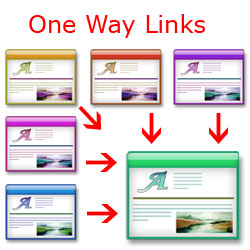
One Way Linking:

One way links are links to your sites from sites which do not receive a link from your site. It's considered the best way to improve the ranking in search engines. The biggest advantage of one way linking is you are automatically protected from bad back links. Since one way linked sites offer tremendous value it is more likely to be stay there for a longer period of time. To gain the most benefit from your links, the link back to your web page should be one that can be followed by the search engine robots. By using this long-term game plan you will be able to safely build links for optimum link popularity success.


Reciprocal Linking:
Reciprocal linking says what the name suggest, that two web sites agree to link to each other. This is the most popular practice in linking building campaign today. This link basically explains that the site at the other end of this link feels that my site is important enough to link to, and I feel that their site is important enough that I am willing to let visitors leave my site via this link. Getting quality links is the very important in reciprocal linking. The good quality links consists of relevant theme, good page rank and good value add to customer. Rather than competitive, complementary sites should be considered. Study your competitor’s site, complementary sites and examine their link pages; this will give you valuable input regarding potential link partners.


Triangular Linking:
Triangular link trading is an attempt to fool the search engines into thinking that you haven't really engineered a reciprocal link trade. The way this trick is played is that you use two websites. You have your cohort link to your website A and you link back to him from your website B. This way the search engine will not see the trade, and will instead think that you "earned" the link. This is great technique, which can manipulate reciprocal linking into one way linking.

(SEO)---Search Engine Optimization

On Page Optimization Factors

Keywords
Keyword list is a list of significant and descriptive words that will be used to render the 
content to users in searches.The words should be similar to the theme of a web site and should be easily integrated in the web site content. Keywords are mental images linked to what lies in the heart of your customer. Keyword selection is based on consumer persuasive research.

HTML Tags
HTML Tags should be integrates with the keywords for greater optimization of the website. Various HTML Tags include Title Tags, Meta Tags, Alt Tags, etc. Title tag is an HTML code that shows the words that appear in the title bar at the top of the browser. Below is an example of a Title Tag:


The Meta Description Tag is part of the HTML code that allows you to give a short and concise summary of your web page content. Below is an example of a Meta Tag:


“Alt Tag” is defined as the alternative text that the browser displays when the surfer does not want to or cannot see the pictures present in a web page.

Content
Content is what makes the website good or bad and content is the major factor which attracts more and more visitors to the site. Search engines also give very high importance to the sites, which are full of relative content. Considering the main reason behind the website i.e. information, search engines emphasis more on content than anything else. Original and Well Written Content Answers these questions:

  • What does your audience want to find?
  • Will you have to do addition research?
  • Are you an expert writer or do you have one on staff?


(SEO)---Search Engines

Difference between Search Engines and Directories

Search Engines are considered the top reason for why so companies gain visitors to their website. So what exactly is a Search Engine? A Search Engine is a program that searches documents for specified keywords and returns a list of the documents where the keywords were found. Some of the major Search Engines that you may be aware of:

Search Engines
A Web Directory is a web search tool compiled manually by human editors. Once websites are submitted with information such as a title and description, they are assessed by an editor and, if deemed suitable for addition, will be listed under one or more subject categories. A website search directory indexes a web site based on an independent description of a site. While directories perform many of the same functions of a web page search engine, although their indexing format is different. The main difference is that directories do not spider your site to gather information about it. Instead they rely on a few text entries, typically a site title, domain name, and description to determine which keywords describe your site.. Here are some examples of directories:
Search Engines


Meta Descriptions

Today in class, we learned about adding meta descriptions to your web page. Meta descriptions are HTML attributes that provide concise explanations of the contents of web pages. These descriptions can be used on search engine result pages (SERP) and provides the users with a snippet of the page that they want to view. Below is an example of the code used to make a meta description.


<head>
<meta name="description" content="This is an example of a meta description. This will often show up in search results.">
</head>

These tags can be used to advertise content to searchers and give them information on exactly what's on the page. Uniqueness and direct relevancy is key to the development of a meta descriptions because it must make the user want to click on the page. Below is a example of an actual meta description tag.


Balboa Park's Meta Description in the Search Results at Google